


Description
In the realm of artistic expression, innovation knows no bounds. A perfect example of this lies in the fascinating world of 3D illusion CNC Jali art, where age-old craftsmanship meets cutting-edge technology to create stunning works that blur the line between reality and imagination. These intricate and mesmerizing pieces, often inspired by traditional jali patterns, take on a new dimension through the utilization of Computer Numerical Control (CNC) technology. Let’s delve into this captivating art form and uncover the magic it brings to life.
Jali Art: A Historical Glimpse
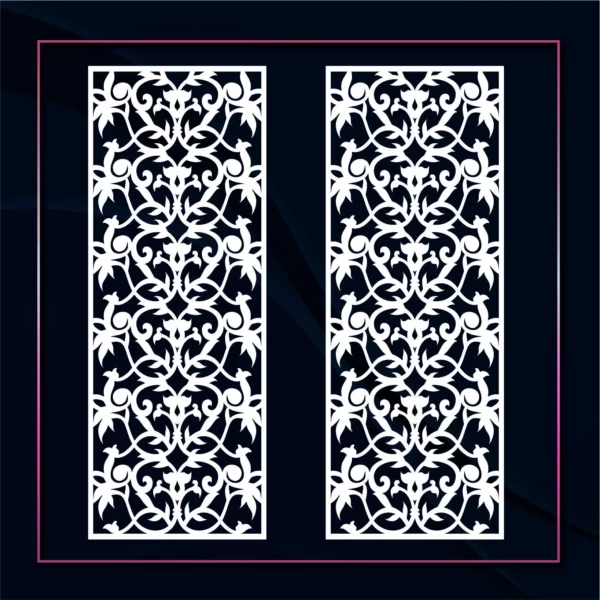
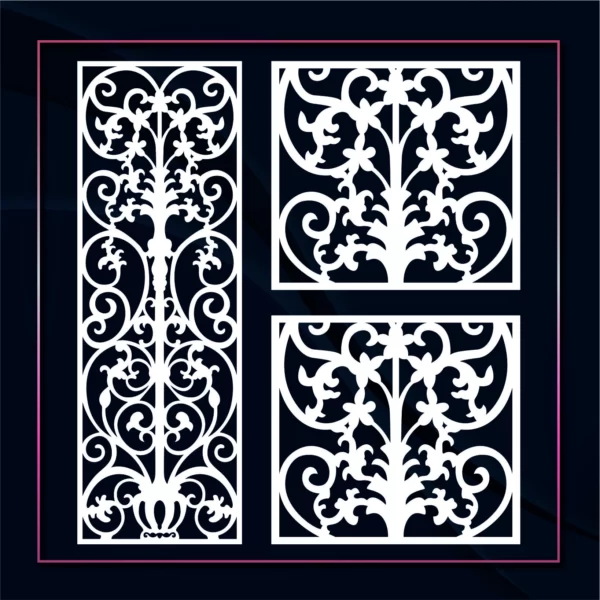
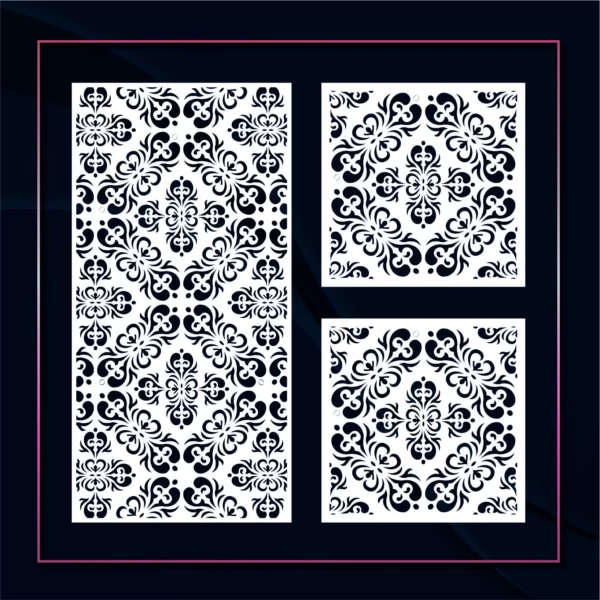
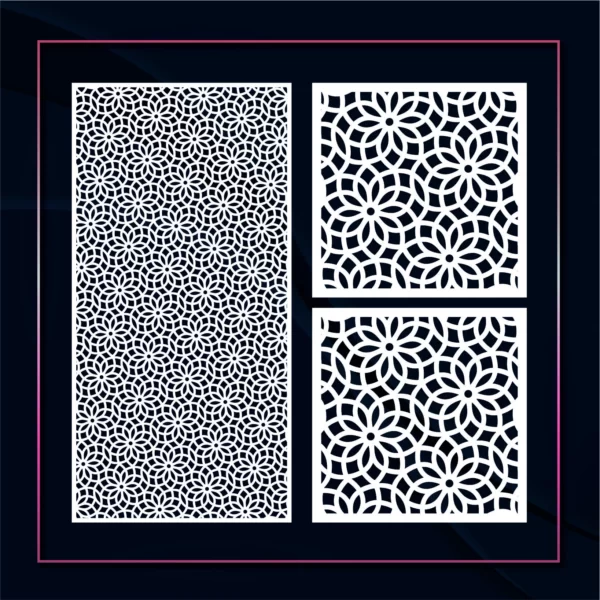
The concept of jali art is rooted in ancient architecture and design, primarily found in South Asian cultures. Jali refers to a perforated screen, typically made from stone, wood, or metal, that is intricately carved with delicate patterns. These patterns serve multiple purposes, from providing ventilation and natural light to adding a touch of elegance to architectural structures. Jali designs are often characterized by their intricate latticework, which creates beautiful shadows and plays with light in a captivating manner.
The Evolution: Merging Tradition with Technology
With the advent of CNC technology, the world of craftsmanship received a game-changing tool. CNC machines are capable of translating intricate digital designs into precise physical creations across various materials. When applied to jali art, CNC technology breathes new life into the traditional craft, allowing for more intricate and complex patterns to be realized with remarkable precision.
The 3D Illusion: Defying Perception
What sets 3D illusion CNC jali art apart is its ability to defy perception. These artworks take the traditional two-dimensional patterns of jali and transform them into seemingly three-dimensional wonders. Through strategic layering and manipulation of depth, the CNC machine creates an optical illusion that draws viewers into the artwork. Shadows and highlights dance across the surface, creating an almost magical sense of depth that challenges the way we perceive space.
The Creation Process: From Digital to Physical
The journey of creating a 3D illusion CNC jali artwork begins in the digital realm. Artists and designers use computer software to craft intricate patterns, experimenting with layering, depth, and visual effects. Once the design is finalized, the CNC machine takes center stage. It meticulously carves, etches, or engraves the chosen material, carefully following the digital blueprint.
The choice of material adds an extra layer of dimension to the artwork. Wood, metal, acrylic, and even stone can be transformed into awe-inspiring pieces that leave a lasting impression. The interplay between the material’s texture, the intricacy of the design, and the optical illusion culminate in a stunning visual experience.
The Impact: Bridging Tradition and Modernity
3D illusion CNC jali art is not just a showcase of technical prowess; it’s a fusion of tradition and modernity. It pays homage to the rich history of jali design while embracing the limitless possibilities that technology offers. These artworks find their place in contemporary spaces, where they serve as captivating focal points that provoke thought and conversation.
Moreover, this art form is breaking geographical barriers. Artists, designers, and enthusiasts from around the world are exploring the intricacies of 3D illusion CNC jali, adding their unique perspectives and cultural influences to the mix.
In Conclusion
3D illusion CNC jali art stands as a testament to the unending evolution of artistic expression. It exemplifies how technology can be harnessed to breathe new life into traditional crafts, yielding breathtaking results that captivate the senses and challenge perception. As this art form continues to push boundaries, it invites us to reconsider our understanding of space, light, and the intersection of craftsmanship and innovation. Whether in a bustling urban environment or a serene countryside, these mesmerizing creations remind us of the beauty that emerges when heritage and progress converge.




Reviews
There are no reviews yet.