


Description
Introduction: In the realm of manufacturing and fabrication, Computer Numerical Control (CNC) technology has revolutionized the way we approach design and production. Among the myriad applications of CNC, 2D CNC borders stand out as a fascinating and versatile tool for creating intricate designs with precision and efficiency. Let’s embark on a journey to unravel the world of 2D CNC borders and discover how this technology is shaping the future of manufacturing! 🚀
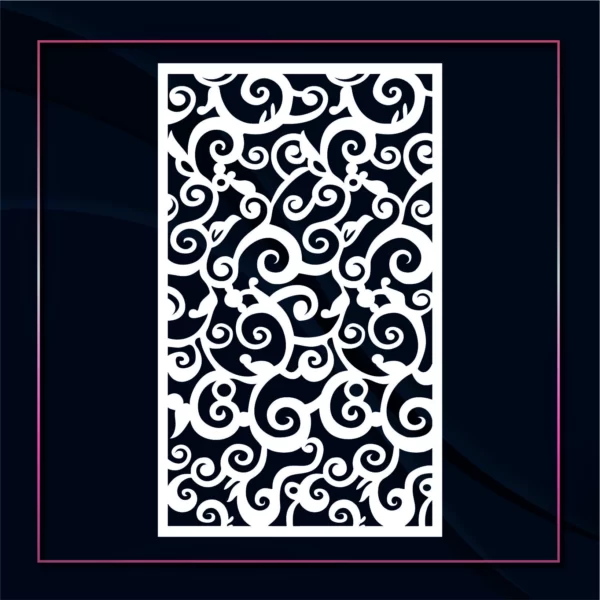
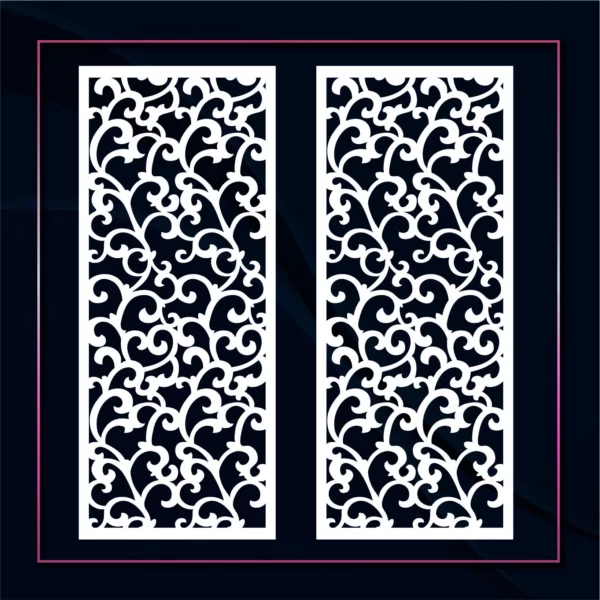
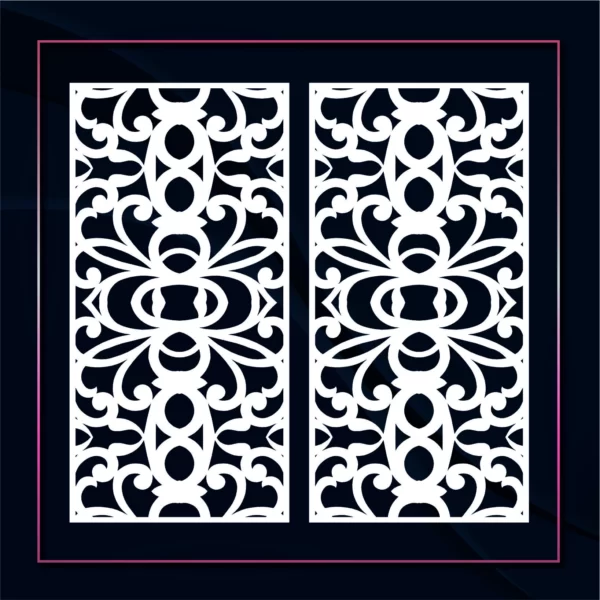
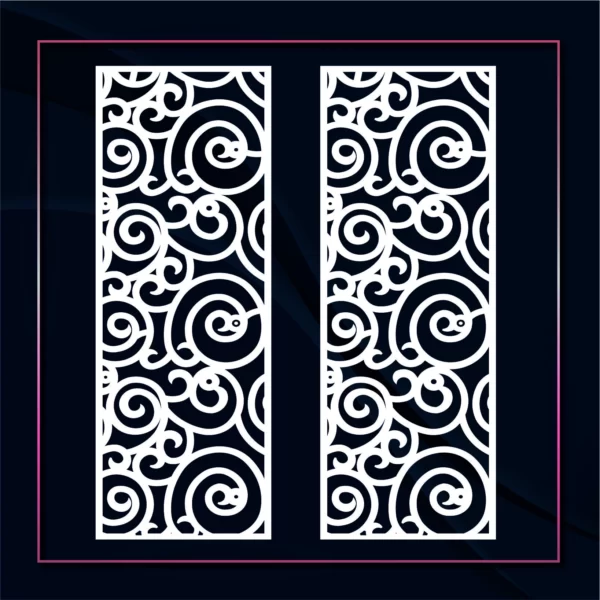
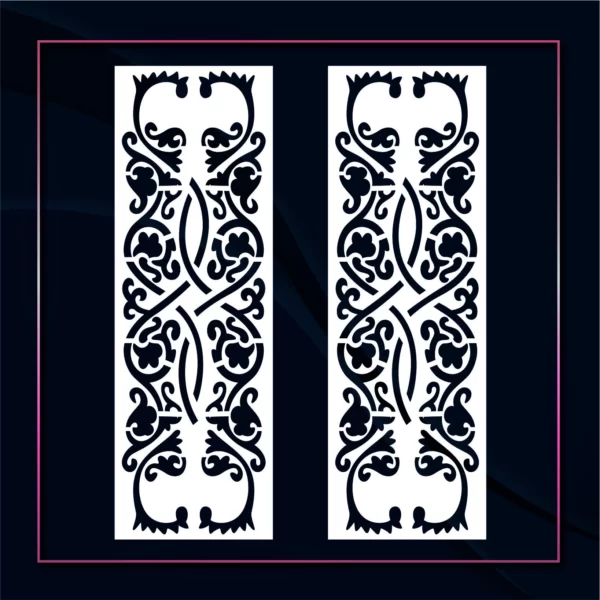
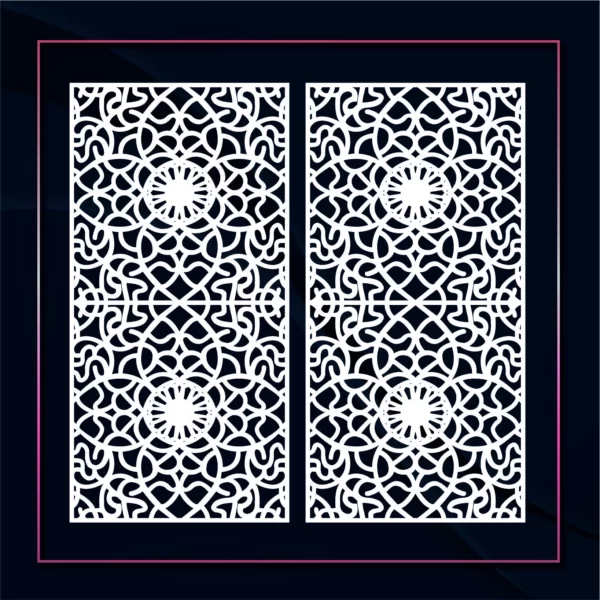
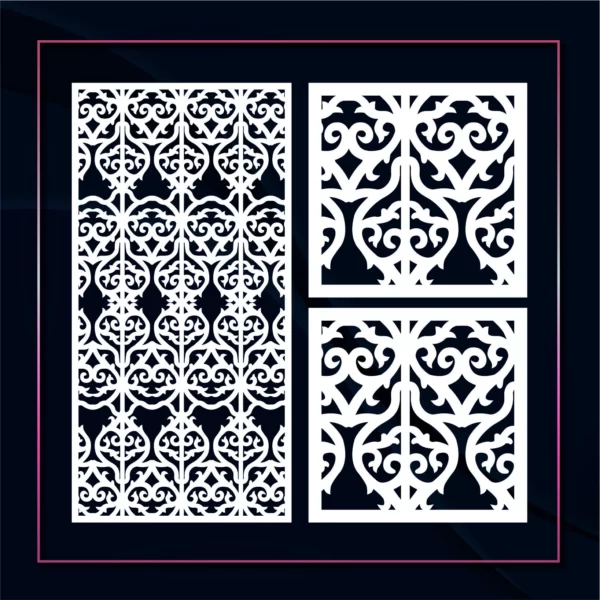
Understanding 2D CNC Borders: At its core, 2D CNC refers to the process of using computer-controlled machines to cut, engrave, or mill materials in two dimensions. The term “border” in this context refers to the perimeter or outline of a design. These borders can be as simple as a basic geometric shape or as complex as an intricate pattern, depending on the design specifications.
Advantages of 2D CNC Borders:
- ⏱️ Precision and Accuracy: 2D CNC technology excels in delivering precise and accurate cuts, ensuring that the final product adheres closely to the intended design.
- 🎨 Versatility: Whether you’re working with wood, metal, plastic, or other materials, 2D CNC borders offer unparalleled versatility. This flexibility makes it a go-to solution for various industries, including woodworking, signage, and electronics.
- 🔄 Reproducibility: Once a design is programmed into the CNC system, it can be easily replicated, ensuring consistent results across multiple iterations. This is particularly beneficial for mass production.
- 💻 Digital Design Integration: 2D CNC borders seamlessly integrate with digital design software, allowing for the direct translation of digital designs into physical products. This facilitates quick prototyping and reduces the margin for error.
Applications of 2D CNC Borders:
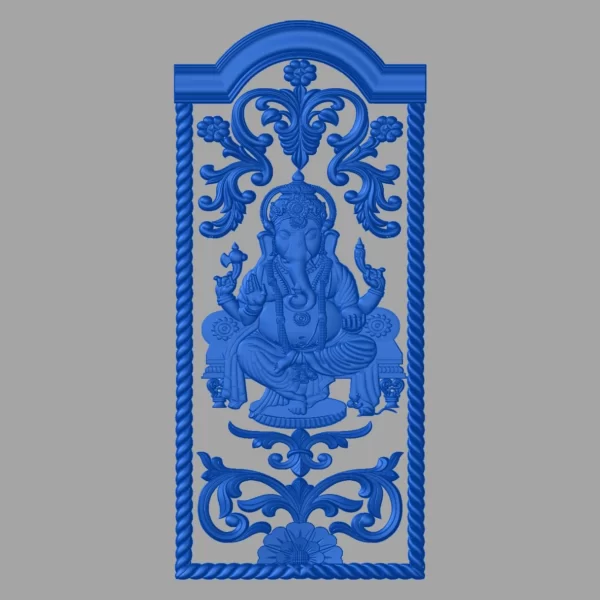
- 🪚 Woodworking: Craftsmen and carpenters leverage 2D CNC borders to create intricate wooden patterns, moldings, and furniture details with unparalleled precision.
- 🏭 Manufacturing: In industrial settings, 2D CNC technology is widely used for cutting materials like sheet metal to create precise components for various products.
- 🖌️ Signage and Engraving: The precision of 2D CNC borders is ideal for crafting detailed signage, engraving plaques, and creating personalized items with intricate designs.
- 🏠 Interior Design: From decorative panels to customized wall art, 2D CNC borders enable interior designers to add unique and detailed elements to spaces.
Challenges and Considerations: While 2D CNC borders offer numerous benefits, it’s important to consider certain challenges, such as the initial investment in CNC equipment, the learning curve associated with programming, and the need for regular maintenance to ensure optimal performance.
Conclusion: As technology continues to advance, 2D CNC borders stand as a testament to the innovative capabilities of CNC machining. From creating aesthetically pleasing designs to streamlining manufacturing processes, the applications of 2D CNC borders are vast and ever-expanding. As we journey further into the digital age, the marriage of precision and creativity provided by 2D CNC technology will undoubtedly play a crucial role in shaping the future of manufacturing and design.


Zaria (verified owner) –
The user interface was intuitive and user-friendly. Made the entire experience enjoyable.
Milo (verified owner) –
The download process was secure and straightforward. No hassles or complications, just a smooth experience.
Sofie (verified owner) –
Had a question about the download, and the customer support was prompt and helpful. Great service!
Viktoria (verified owner) –
The download speed was impressive, saving me time and frustration. Thumbs up for efficiency!